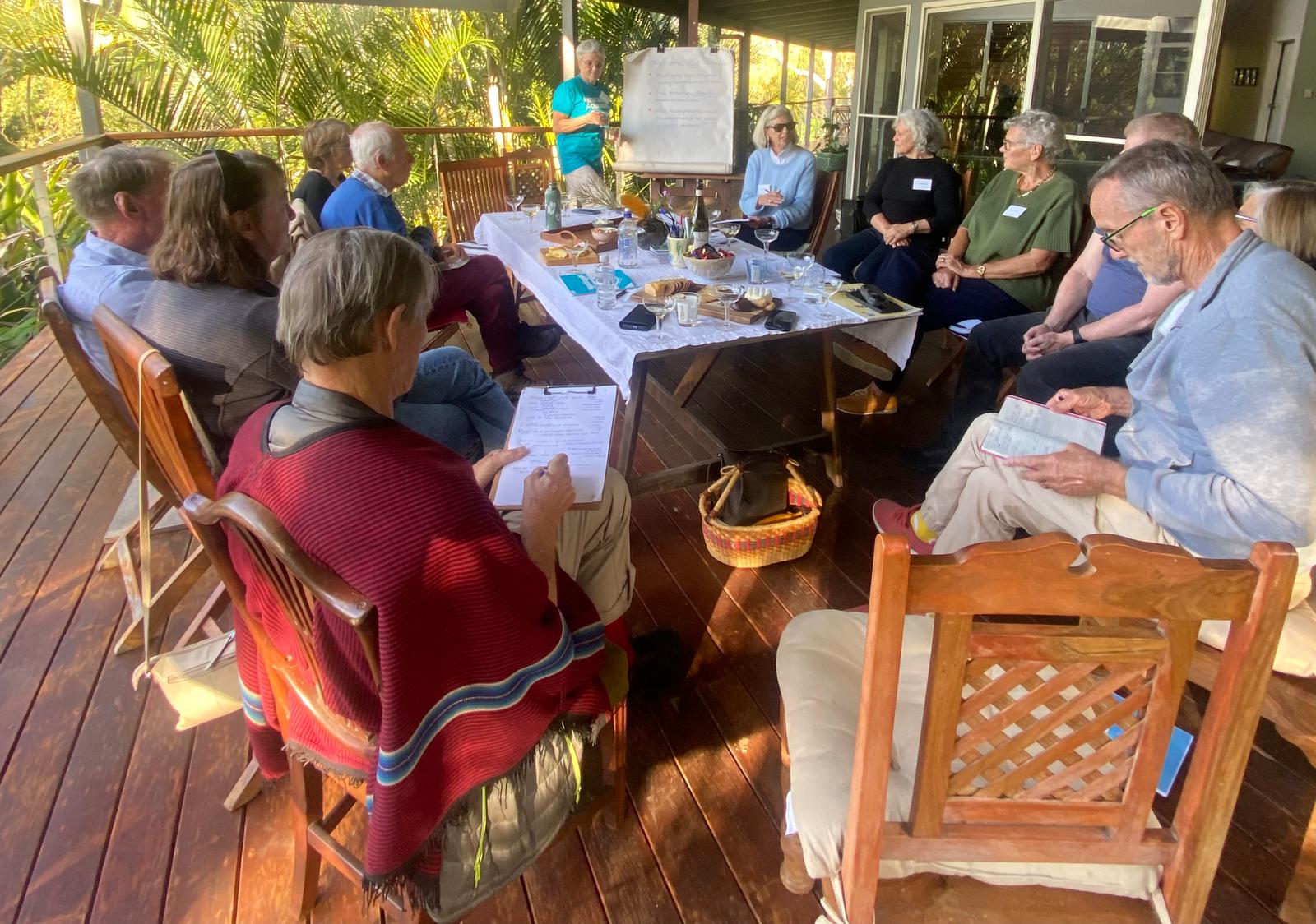
Fairfax is one of the most over-represented electorates in Australia when it comes to residents aged over 65. That single demographic fact should shape almost everything a genuine community campaign prioritises here, and it’s why thirteen locals gathered at a community meeting in Eumundi in June 2026 to talk through what ageing well in this electorate actually looks like.
The conversation, facilitated by Jenny Brice, was wide-ranging, practical and occasionally blunt. Three themes stood out.
The System Is Too Complex to Navigate
Almost every attendee raised the same frustration: aged care in Australia is not one system, it’s dozens of overlapping programs, each with its own eligibility rules, funding streams and paperwork. Seniors and their families are expected to become instant experts in a bureaucracy that changes faster than most people can keep up with. The group’s clear message was that education matters as much as funding. Technology, AI tools and documentation all need to be explained in plain language, not government jargon, so people can actually use the support they’re entitled to. There was real interest in whether a sponsor or advocate model could help those without family nearby find their way through the system.
Fairfax Already Carries More Than Its Share
Fairfax has one of the highest numbers of aged care homes of any electorate in the country. That’s not an accident — it reflects exactly the demographic weight this community carries. But a high number of beds doesn’t mean the system is working. It means the pressure on infrastructure, staffing and services here is more intense than almost anywhere else, and any serious policy conversation about seniors has to start from that reality, not treat it as a footnote.
Most People Don't Want a Nursing Home — They Want to Stay Home
Perhaps the most important point of the night was the simplest one: residential aged care is not what most seniors actually want. Most people want to stay in their own home, in their own community, for as long as possible — ideally for the rest of their lives. That preference has real implications. It means transport infrastructure matters, because reduced driving ability shouldn’t mean isolation. It means something as unglamorous as public bathroom facilities matters, because attendees pointed out that a lack of accessible facilities — Twin Waters was raised as an example — quietly discourages older residents from walking and staying active in their own neighbourhoods. It means housing matters too, including the shortage of community housing options for elderly people who want to downsize without leaving their community behind.
The group also spoke about the value of intergenerational connection — simple things like children visiting aged care homes — and about very real anxieties for the generations that follow: climate change, job prospects, and the cost and availability of childcare. Seniors in Fairfax are not thinking only about themselves; they’re thinking about the world they’re leaving their grandchildren.
Cost of living and the clarity, or lack of it, around pensions, superannuation, private health and Medicare benefits came up repeatedly. So did a broader point about fairness: several attendees argued for fairer taxation, including asking more of the top 1 per cent, as a way to properly fund both health and housing for everyone, not just seniors.
What Happens Next
The purpose of meetings like this one is twofold: to genuinely listen, and to make sure people see their input reflected back in real policy, not filed away and forgotten. That’s the commitment behind this conversation, and it’s one we intend to keep. If you weren’t able to join us in Eumundi but want your voice heard on ageing, housing, transport or aged care in Fairfax, get in touch — this is exactly the kind of community-first, evidence-based policymaking Fairfax Matters exists to do.